Lightning bugs, also known as fireflies, are some of the most enchanting creatures we can experience on Earth. But, sadly, many environmental factors and human decisions have caused their decline. We can’t be the world who lets these guys fade away! But there’s hope and we can all do something positive for fireflies.
Want to help lightning bugs boost their populations? I’ve curated some simple changes that can become lifelong habits on how to help fireflies.
This page contains affiliate links, which means I may receive a commission if you make a purchase through my affiliate link at no extra cost to you. My recommendations are always items I buy or totally want to buy!
How do I help fireflies increase their populations?
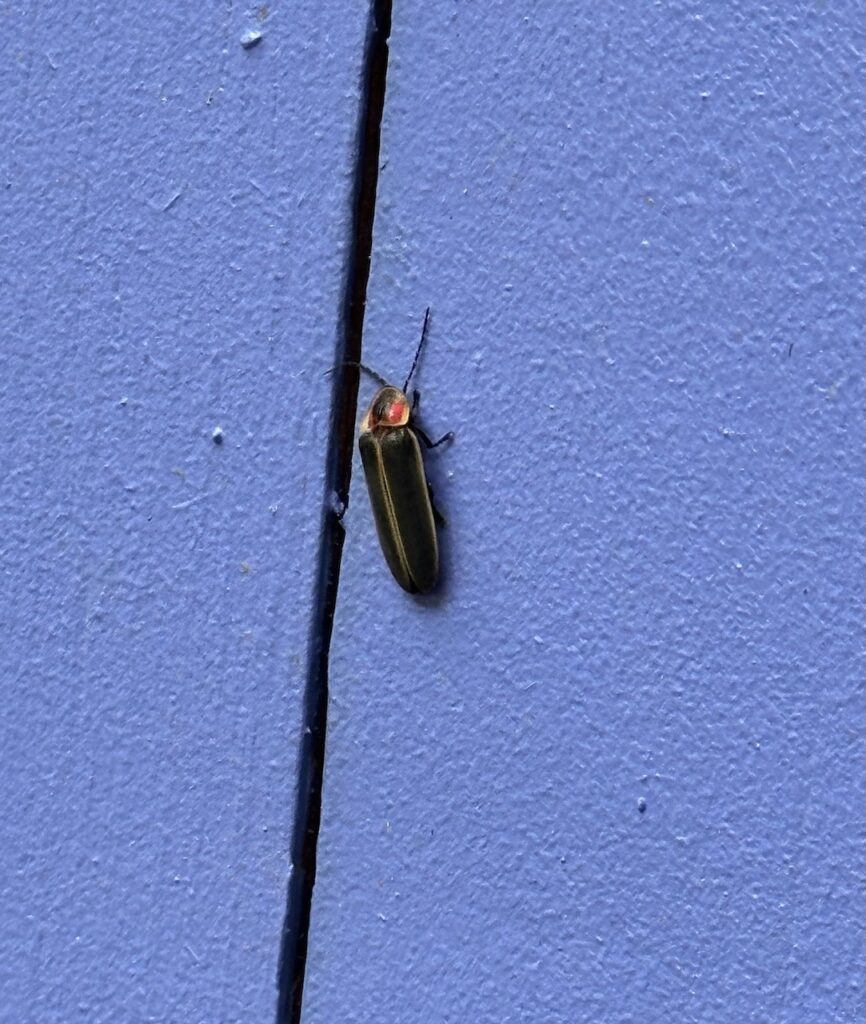
Photo by Kat Stano
1. Stop using chemical fertilizers, toxic insecticides, and mosquito pesticides in your garden and on your yard.
Especially in the United States, having the perfect green carpet of a yard has somehow become the ideal. But there are ways to make a gorgeous garden with more natural processes.
Only a handful of years ago, I had a service spray my yard for mosquitoes. They told me they don’t “spray the flowers” and that they stay away from bees and butterflies “when they see them.” I didn’t really trust it, but went ahead against my intuition.
Just so you know, mosquitoes absolutely devour me. They can find me in an all-out tundra, while others don’t feel the effects at all. I got so frustrated every time I tried to garden!
But those chemical sprays for bugs and weeds are very toxic to pollinators. And, more than ever, we need pollinators on our planet.

Photo by Kat Stano
Better Solution for Mosquito control:
- Try mosquito dunks in mosquito buckets. They’re a natural solution that many gardeners swear by. I tried them and I felt like it did make somewhat of a difference. You just need to keep up with replenishing them periodically to keep the efficacy in place. BUT if you are a real snack for mosquitoes, they’ll still find you. This is from my personal experience, though!
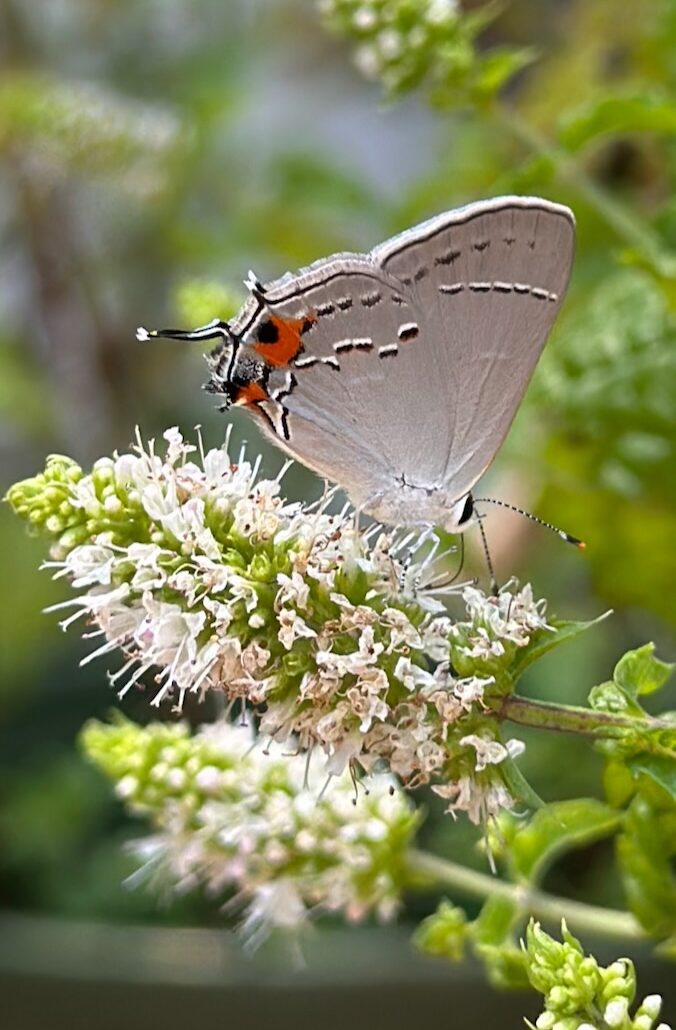
- Plant mints! Rosemary, lavender, mojito mint, catmint, citronella, marigolds, lemon balm, and native mountain mint are just some of the fragrant plants that mosquitoes detest. Now, if you’re really prone to mosquito bites, these probably won’t be the only solution you try. But I do this as a secondary measure. I just discovered mountain mint, a native to the United States. I think that’s a really great choice. Native plants help a lot! Note: If you don’t want mints taking over your yard, plant in planters or pots!
- Use an outdoor rechargeable fan. Mosquitoes don’t like wind, so if you’re sitting on a patio, put a nice fan right next to you. I love this fan that runs without electricity once charged (with electricity, of course).
- Stick “Squito” stickers on your clothing. I tried this recently and they worked! I put four on. Two on my shirt and two on my pants. They also remove easily and you can save them on the sticker sheet to reuse later. UPDATE: They don’t always work, so fair warning if you’re a major treat for mosquitoes.
- Try a citronella candle(s). This is nice if you’re just chilling on a patio or porch. Always monitor any burning candles and don’t forget to snuff out when you’re done.
- Look into essential oils like peppermint. Some people swear by this and peppermint is such a lovely scent
2. Leave leaf litter in your yard or garden to make a safe haven for fireflies.
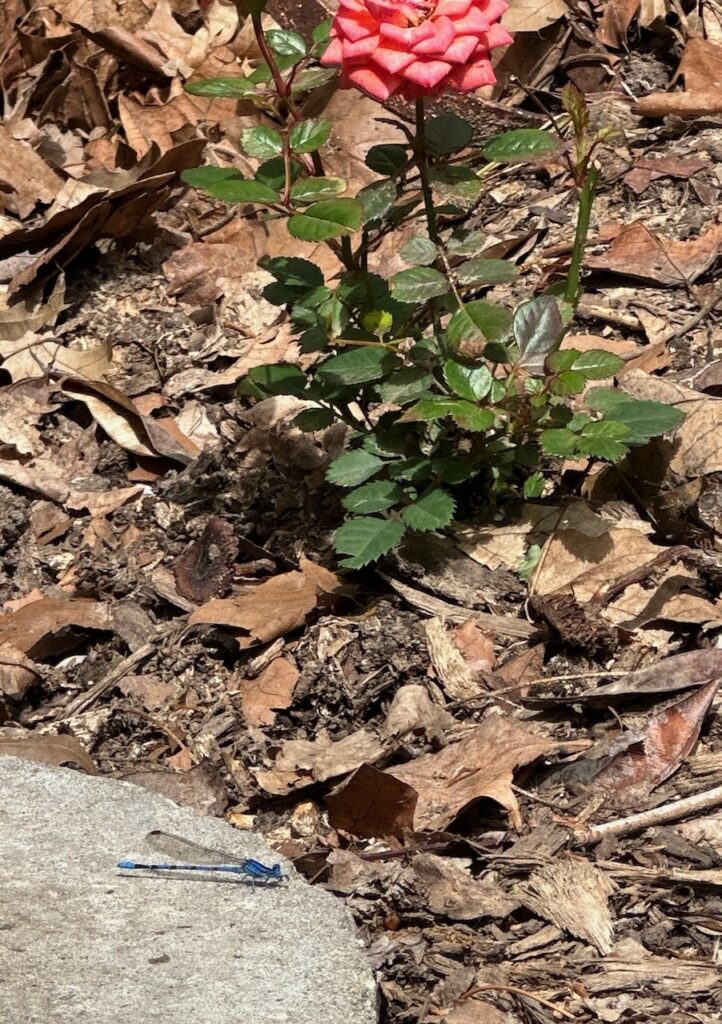
This is easy to do in the fall. I like to rake my leaves to quiet corners in my yard or around plants as natural mulch.
I like the look of leaves because they remind me of childhood but, if you don’t, try raking your leaves to the back corners of your yard or fence line. You can also mulch them up with your mower in the fall and sprinkle the leaves around your plants and trees.
If you do mulch leaves, remember that you might be killing some of the larvae and slumbering bugs. To minimize this, I like to keep my leaves to make more flower beds or use to create natural compost with cardboard and other organic matter.
3. Don’t mow as often.
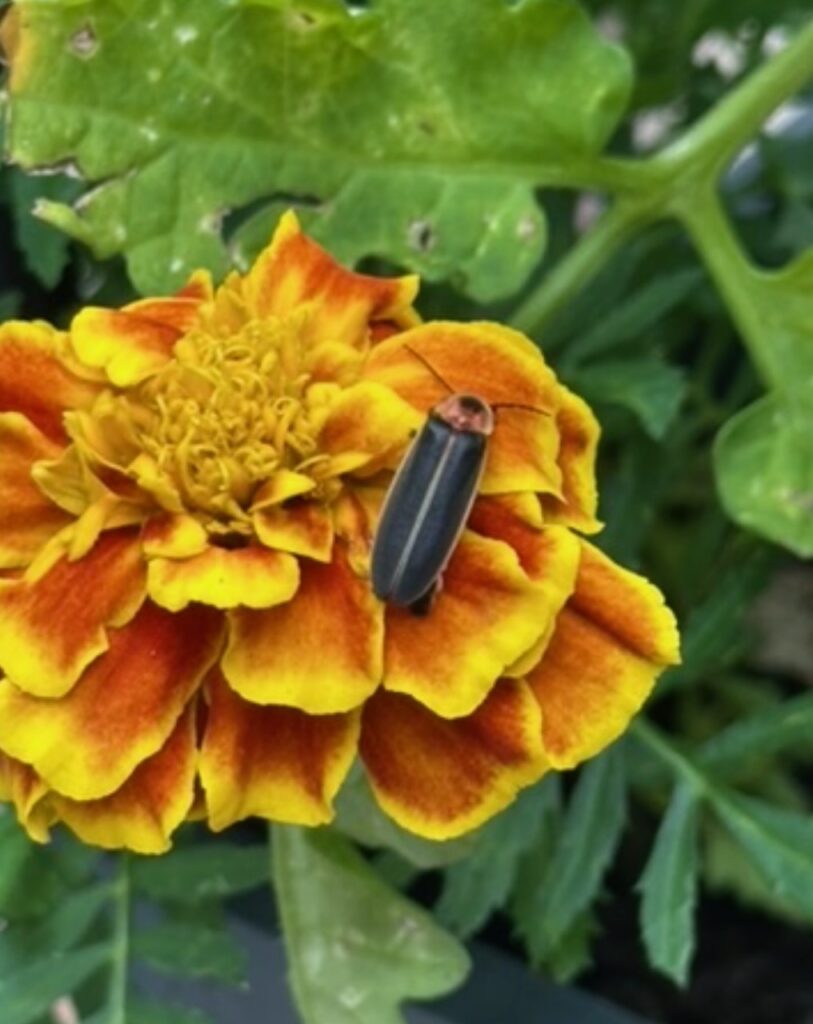
Mowing less can be about skipping a week or so. This gives essential bugs a little more breathing room between mows. So, don’t worry, you don’t have to have a wild field in your yard! It’s all about balance. I’m a Libra! I know these things!
I will say, if you do this, to check your yard for other critters who move in. Bunnies and some birds nest in the ground when grasses are slightly higher. I found a bunch of baby bunnies just the other day!
Also, bees and ants can nest in the ground, so watch out, especially if you’re allergic. Safety first!
4. Dedicate wild corners or spaces in your yard for taller grasses and foliage.

If you’re extra persnickety and don’t like the wilder garden look, try taller flowers that flow together and support each other like purple coneflower, yarrow, larger sedum varieties, native prairie grasses, and milkweed.
5. Plant native flowers.
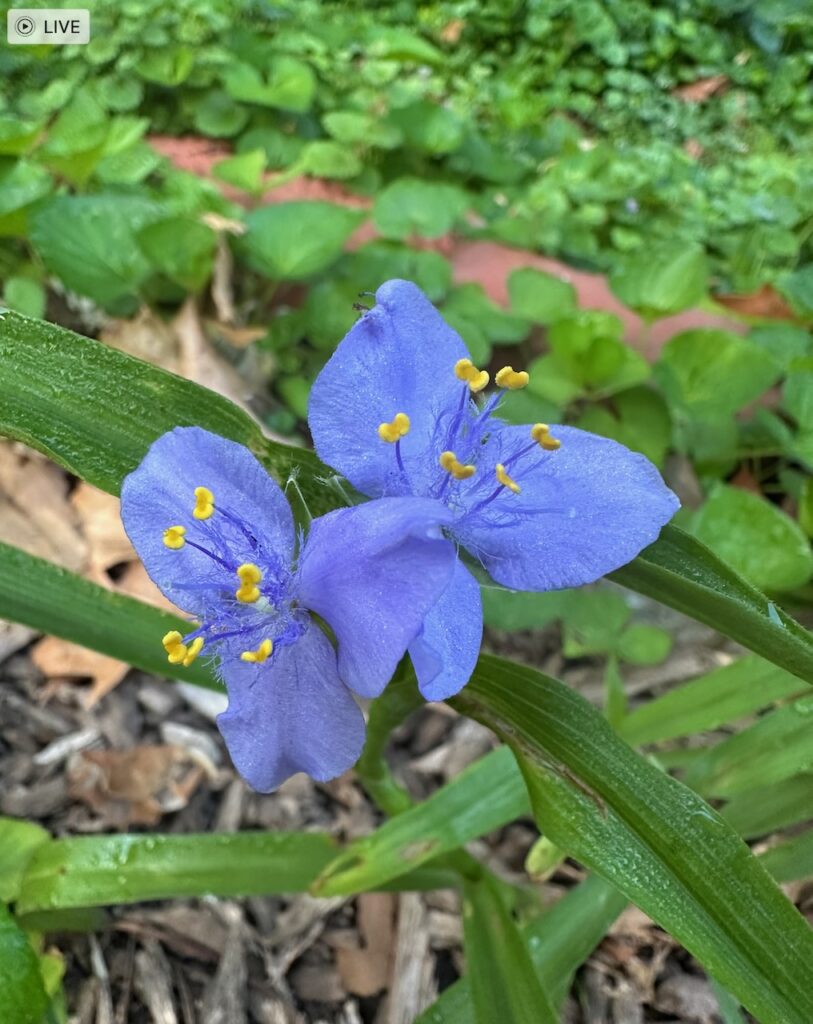
Here are some flowers I recommend or that have been recommended to me:
- Common wild violets
- Purple coneflower
- Mountain mint
- Scarlet bee balm (Monarda Didyma)
- Ohio spiderwort
- Yarrow (I bought some that are cultivars (aka, nativars) of the native species. They are beautiful and inspire me to find the native variety.)
6. Turn off excessive outdoor lights and close your blinds.
Light pollution is a big factor in confusing lightning bugs’ natural behaviors and rhythms. I used to be kinda bad about lots of extra lights because I watched WAY too many episodes of Criminal Minds. And security lights aren’t a bad thing if you need them. Always be safe.
But what I’ve done is swap some fixtures for motion-sensor lights. These turn on when there’s significant movement, but don’t stay on all night long.
7. Teach kids to be kind to animals and insects.
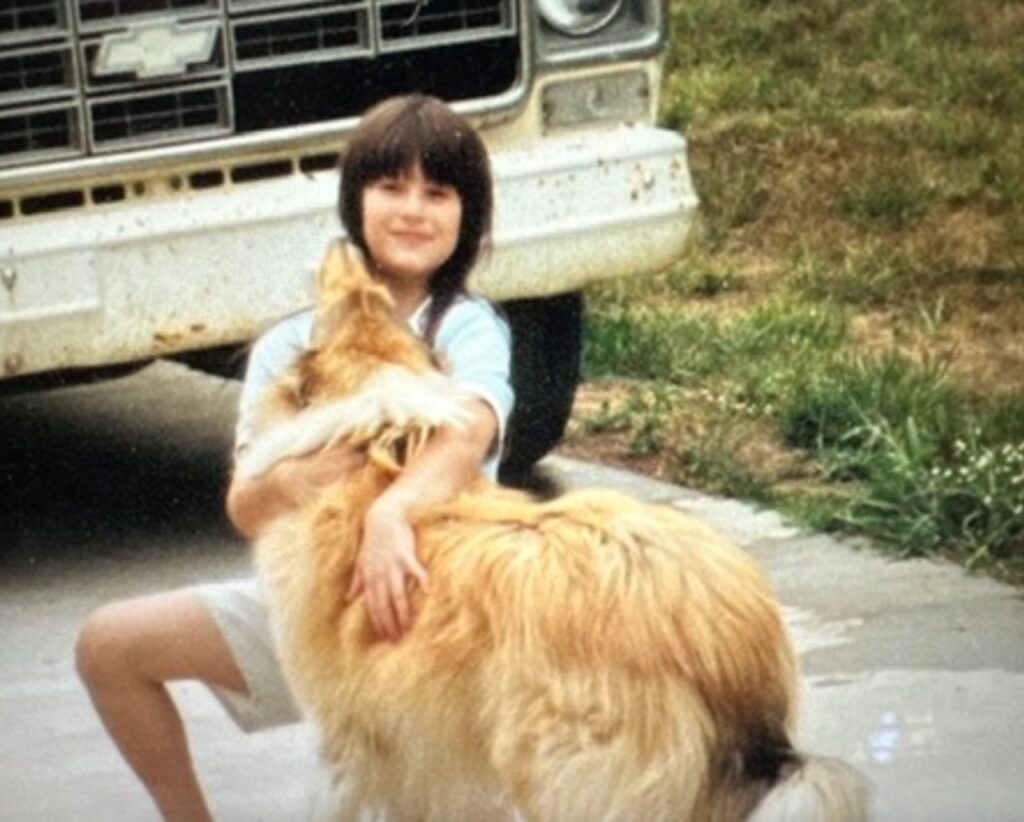
Showing kids a healthy respect for all of God’s creatures builds empathy that translates into all kinds of scenarios in life.
Here are Ways to Teach empathy to Kids
- Your behavior: Kids are watching! They may LOOK like they’re on their devices, but they’re still observing your example. By being gentle to animals, you’re teaching the younger generation how to do the same.
- Volunteer work: Places like pet shelters and food banks are wonderful places to show kids that the world is big and others need our help sometimes.
- Raising money for a good cause: Help your child start a fundraiser for an earth-friendly organization or other group that helps animals or people.
- Books: Kids’ books are great for teaching kindness and caring. Check out my book about a true story of a dog who defeated the odds because someone cared. All book profits are paid to ThisIsHouston.
8. Vote for representatives who care about the environment.
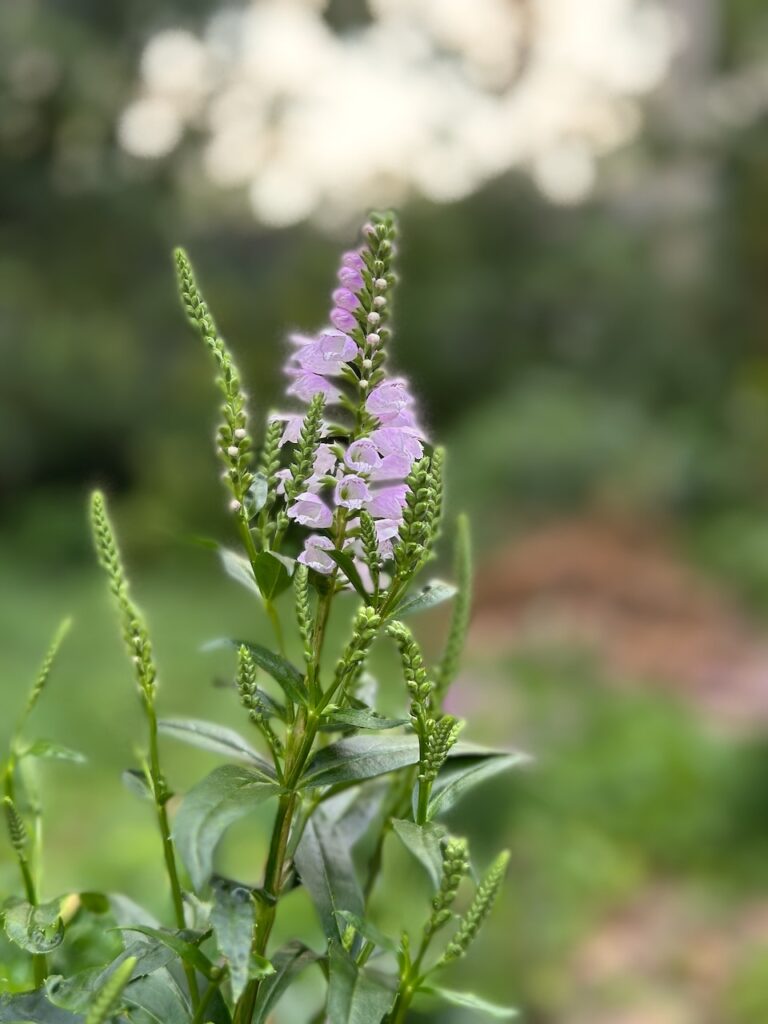
Photo by Kat Stano
To learn more about how we should be better stewards of our planet AND our need for a more concerned government (to put it mildly), check out these wonderful organizations:
- Defenders of Wildlife
- Center for Biological Diversity
- The Nature Conservancy
- The Ocean Conservancy
- Friends of the Earth
- Earth Justice
- National Wildlife Federation
- Jane Goodall Institute
9. Skip the bug zapper.
If anyone is a fine feast for mosquitoes, it’s me. I’ve gotten bitten in the face by a mosquito in December!
I can understand why some people use bug zappers. However, they can also kill nighttime pollinators like lightning bugs and moths.
If you’re also a surefire snack for mosquitoes, try a rechargeable outdoor fan or two. I have this fan and it’s pretty great because, as long as it’s charged, you don’t need to plug it in outside. I’ve also heard rave reviews about this portable fan that has its own carry case.
Other ways to deter mosquitoes:
- Citronella candles: I haven’t tried this, but some people enjoy the scent and bonus ambiance.
- Mosquito buckets: I’m still trying to perfect this system by adding new mosquito dunks on regular basis, before 30 days is over.
- Essential oils: This is another thing I’d like to try with peppermint.
- Mints, rosemary, lavender, marigolds, lemon grass: Mosquitoes don’t like the smells of these plants, however if mosquitoes like the smell of you, this may not be the only solution you employ! Look into native mints like mountain mint varieties.
10. Limit your use of the leaf blower.
Leaf blowers are powerful and can sling tiny bugs all over the place, disrupting their habitats.
To lessen time with the leaf blower, rake a little each day. That can help you feel less overwhelmed. Plus, raking is good exercise!
11. Keep learning.
There’s always something new and valuable to learn!
- Follow conservationists, environmentalists, and scientists to get current info on how to be stewards for nature and voices for animals.
- Watch documentaries about climate change.
- Read books by Dr. Jane Goodall and other earth heroes.
- Get tips and tricks from native plant gardeners and bloggers.
- Spend time in nature to grow your appreciation for our beautiful home.
- Take foraging or gardening classes.
- Research policies and vote for people who care about the planet and all sentient beings.
Conclusion
Hope my tips on how to help fireflies will help you set up your own lightning bug habitat and that you start to see more of these glowing miracles of nature. What was your favorite tip or a tip you can share? Please write it down in the comments!
Glow on, friends!
You might also like
Dandelion Benefits for Humans & Animals



Leave a Reply