Are you worried about our winged friends and wondering how to help pollinators? It’s no secret that monarchs (butterflies, not royals) and bees aren’t having the easiest time. And even if it feels like a humongous problem to save the bug world, each of us can help! Read on to answer the question, “How can we help pollinators?” There are lots of simple yet profound ways to do this…and I believe in you!
This page contains affiliate links, which means I may receive a commission if you make a purchase through my affiliate link at no extra cost to you. My recommendations are always items I buy or totally want to buy!

Photo by @katstanophotography
How to Help Pollinators 101
Pollinators help us every day. So, I think it’s only fair we return the favor! After all, if we didn’t have pollinators, we’d have very little food to eat.
And I think it’s pretty safe to say we all like food.
And whether we’re total foodies or not, does it always have to be about us? As petite and delicate citizens of Mother Nature, pollinators deserve a good life, too.
By spreading pollen, these little guys fertilize crops, like veggies and fruits. According to the National Park Service, pollinators are the reason we take 1 out of 3 bites of food every day.
These tiny, but mighty creatures inspire me…and I have a feeling they inspire you, too!
If you’re interested in joining a global community of people who are helping pollinators, you’ve landed in the right place.
This post is all about how to help pollinators.
Note: When I say “native” plants, I’m pretty much referring to North America. But, my friends in other countries: Y’all have some amazing varieties for our international bug friends! I’d love to hear what you love, too!

1. Plant Native Flowering Plants
Alright, y’all, let’s start with the obvious one! But, yes, bees, butterflies, lightning bugs, moths, and hummingbirds love those native flowers!
The first one that comes to mind are purple coneflowers, also referred to as Echinacea. These cheery florals are beautiful, plus are a favorite among our fluttery, buzzing friends.
Coneflowers love sun and don’t need a ton of water. I’ve learned this the hard way, per usual! I’m actually in the process of transplanting some that I put in a shady spot. And they’re hollering at me for more light!
A Few Pollinator Plant Lists to Check Out
Here’s a list of plants from the U.S. Fish & Wildlife Service you might fancy!
The National Park Service breaks down native plants by region, if that’s something that sparks your interest, too!
Some plants are toxic
to people and pets.
So, if you have a dog, cat,
or human child
who likes gnawing on leaves,
please do your research first!
While they say native species are best, I also have a variety of flowers in my garden that pollinators love–and they help those little guys, too! (You just don’t want them to overpower the native flowers.)
What I try is a mix of both native and non-native plants like hostas, mojito mint, and lilacs.
I’d love to know your favorite pollinator plants in the comments! (Also, if they’re easy to grow, even better!)
Here’s how to get free native plants: Join a local plant swap on Facebook or just post on The Buy Nothing Project. Also, if your neighbors are cool, share cuttings from your gardens.
The Highway 13 Butterfly Trail in Missouri
This is so cool! Missouri is building about 300 miles of native flower plots for pollinators that include public spaces, parks, schools, roadside areas, and local homes. Community members can participate and even register their property. Even if you don’t live within the vicinity of Highway 13, this is inspiring stuff for your own pollinator garden. Their site lists the best native pollinator plants, like milkweed, which is essential for monarch butterflies. You can also sign up for updates!
2. Plant Native Trees

Photo by @katstanophotography
Native flowering trees support lots of little creatures.
My favorite native tree is the Eastern Redbud. I’ve transplanted at least four in my yard, plus give saplings away to neighbors.
I’ve always been a tree girl. I’m just mesmerized by these swaying, towering miracles of nature.
Get free trees by checking with neighbors. I have so many saplings in my yard that I cannot keep up with them. So, I try my best to give to others! Also, if your friends are new to gardening, offer your tips for planting and what to expect. (I’ve given up on many-a-plant that I only THOUGHT was dead.)
You know what to expect from a redbud after you transplant it? Wilting, dying leaves and a sad, stick figure. But these guys are resilient and come back with vigor and beauty! You may have to wait until the spring, if you plant in the fall, but I can promise you they’re determined and will grandly grow in no time.
3. Leave Wild Zones in Your Garden

Photo by Kat Stano
Or perhaps your whole garden IS a wild zone!
By default, I have embraced chaos gardening. I have areas that might look slightly sus to prim and proper gardeners because I know the bunnies need places to hide and tiny frogs might want some cool shade to ribbit in.
Lightning bugs thrive in taller grasses and shy little possums enjoy some coverage to peek through.
And there are butterflies who like a pile of leaves to lay their eggs.
Now, don’t get me wrong. I’m not a fan of mosquitoes and ticks! So, I’m not going for THAT kind of chaos! But I’m attempting some biodiversity and balance (and maybe the possums will get the ticks while they’re at it!).
This strategy doesn’t get any cheaper than this! Remember: wild and FREE!
4. Don’t Mow as Often as Your Nosy Neighbor
Wait a little longer to mow so that pollinators and other helpful insects can keep calm and carry on.
This helps bees to find blooms like clover and dandelions that are so important to their survival, when no other choices are available.
And I’m not saying let your grass get so high you need a bonafide bush hog, but you might be able to go a few weeks or so.
Another way to mow less is to plant more flowers and shrubs, plus walk-able ground covers that don’t need mowing. This is my ultimate, surreptitious plan!
Less mowing will also put less wear and tear on your lawn equipment, so you might be able to keep your mower longer. ‘Cause who wants to buy another mower? Not me!
Q: What if I only have non-native plants?
Science by Kat, Don’t 100% trust it!
A: Don’t panic!
Native plants are more nutritious
sources of food for pollinators,
so add a native flower or tree
when you can.
It’s probably a little like this:
We all can survive off of fast food,
but is it the best for us?
(My cholesterol says NO.)
So…your non-native plant
may be the bug equivalent
of a milkshake and a large fry.
Fruits and vegetables
are healthier for us,
like native plants
are healthier for pollinators.
5. Make Bee Baths
Use jar lids, shallow plates or bowls, or trinket dishes to make dainty drinking fountains for bees and other tiny insects.
Add rocks or seashells to your bee bath so that insects can escape and not die in deep water.
Place your bee baths near pollinator flowers.
Then, pour fresh water (and refresh often), so they can take sweet sips in the hot weather.
The planet’s heating up and I can guarantee you our winged friends feel it, too.
This is SO FREE. I bet you have rocks, shells, or marbles somewhere in your yard or home. And you can literally repurpose so may small vessels you already own for the actual baths.
Related Posts
The Ultimate List of What Can Be Composted with Your Awesome Local Compost Service
7 Reasons Being Eco-Friendly Matters Even When You Feel Like Giving Up
6. Add a Hummingbird Feeder
There are tons of inexpensive hummingbird feeders online or in garden or hardware stores. But if you want to make your own, search crafting tutorials for a guide.
All you need for your feeder is plain, ol’ white, granulated sugar and water.
Specifically, four parts water and one part sugar. Like, a 4:1 ratio.
If that makes no sense to you, I get it! This is why I don’t cook! And why I practically failed all math!
Hummingbird Feeder Recipe
- 2 cups water
- 1/2 cup white, granulated sugar
- Pour water and sugar into stove-top cookware.
- Turn on heat.
- Stir periodically.
- Remove from heat when the sugar has dissolved into the water (this won’t take long; a few minutes).
- Turn off stove (very important).
- Let COOL: So important! You don’t want to injure your hummingbird friends with blazing hot sugar water. I do a finger test before pouring it into the feeder.
- Pour in a clean hummingbird feeder.
- Hang up near a tree or other shrubbery so they have coverage from predators. I hang mine from my front porch.
- Note: This is probably the only recipe you’ll ever find on this site! Enjoy!
*Stay by the stove until you’ve finished making your hummingbird mix and have turned off the burner. This is to be extra safe because fires are scary and can get out of control quickly.
If you hang up your hummingbird feeder by a window, this is free entertainment, too! It’s so enchanting to watch these pure wonders zip over and out for their food.
7. Lessen Light Pollution

Photo by Kat Stano
First and foremost, I want you to feel safe and secure, so if a nightlight or solar path lamps help you achieve that, then it’s okay.
I lived alone for a long time. I’m still worst case scenario girl. I hear you!
Motion lights are great options for security and adding some peacefulness to the bug world at night. I have these solar path lights and they’ve worked out pretty well. They pop on for motion, but can stay off the rest of the time.
Overall, light pollution can be a problem for critters because it’s disorienting, especially for lightning bugs who use their glow signals to communicate.
So, maybe you nix the stadium-like spotlight, but add some porch lanterns with a soft, warm glow.
You can avoid expensive electrician (and electricity!) bills with solar or battery-powered fixtures that don’t require complex wiring. For a while now, I’ve been eyeing these indoor sconces that run on batteries. They’re adorable and, if you can find a place that recycles your batteries, then this is a great option.
8. Leave the Dandelions, Clover, and Wild Violets
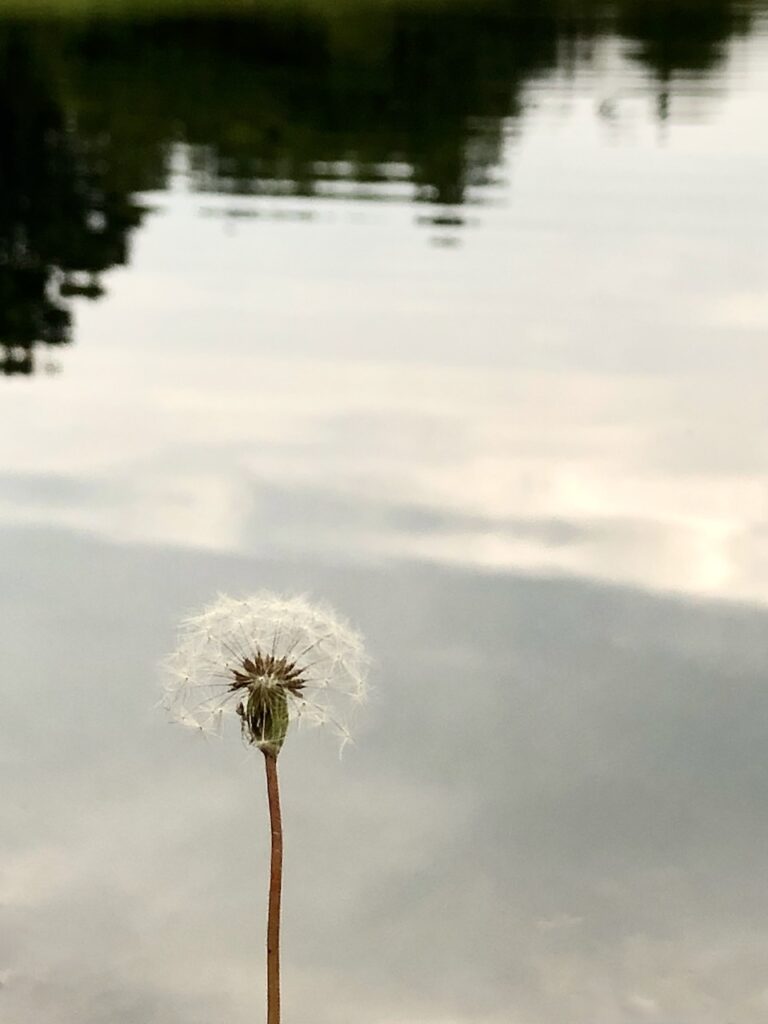
@katstanophotography
Especially in the U.S., we’re obsessed with eliminating weeds. But many of these “weeds” provide essential food for pollinators.
There’s the dandelion. And, you may fight me on this, but I enjoy those bright, golden, yellow blooms. They’re happy and when bumblebees see them, they’re like, “Score!” Dandelions aren’t originally native plants, but they can be a food source for pollinators in the early spring, if there are no other options.
Another non-native: If you have wild clover, you could leave a small patch un-mowed for the bees. That’s what I do and there are always a few faithful bees back each day.
It doesn’t have to be a huge clover patch either. You could even hide it behind a garden statue in case next-door Becky is offended by your improper mowing! There are lots of clandestine ways to renegade garden!
And while I’ll once again reiterate that native flowers are more nutritious then non-native, it can still help pollinators to have something to snack on in the meantime.

Fritillary Butterflies Love These…
Common blue violets ARE native to North America and provide the prettiest array of purple, periwinkle, white, or even yellow flowers. Fritillary butterflies use them as host plants and bees are attracted to their nectar in the early spring.
Common blue violets can serve as pretty ground cover. It CAN also spread out a lot, so just be aware of that and possibly leave it in certain zones in your yard or garden.
Along with dandelions, the leaves and flowers of these common blue violets are also edible! NOW, I’ve never eaten them, but that’s mostly because I cannot function in the kitchen. Even with free edible weeds!
What some consider “weeds,” others like bees and butterflies consider shelter and sustenance. Plus, if you can’t afford a lot of plants right now, leaving some of these for pollinators is a nice thing, in my humble opinion.
9. Swap Plants With Friends

@katstanophotography
Swapping plants with friends is so fun! And so FREE! I do this with my sweet neighbor and my sweet artist pal…which is a great way to also swap gardening tips and tricks!
I’ve discovered some of my favorite flowers just by sharing cuttings and info!
You can also find plant people on The Buy Nothing Project on Facebook and local plant swaps there, too.
Sharing plants with others feels good and doesn’t cost a thing.
10. Discontinue Spraying Chemicals & Pesticides
I’ll be completely honest. I did mosquito spray for a few seasons. I asked the landscaping crew if it hurt pollinators and they were kind of wishy-washy about it, saying they avoid the flowers. So, I had to stop because I truly didn’t believe that it didn’t hurt the other bugs or critters. How could it not?
So, now, I get swarmed for the most part, but have seen more bees, butterflies, fireflies, and even ladybugs. I have two hummingbirds that visit every day: Pippa and Pascal.
This makes me happy. This makes it worth it.
We’re Going to Make Mistakes. We’re Human.
Pesticides and chemical weed killers aren’t really good for anyone. And, sincerely, I’m not judging if you’ve used them because things like mosquitoes and poison ivy and general lawn care aren’t easy. And life is hard. And overwhelming!
Being a highly sensitive person, I start thinking of about the pint-sized creatures of the world and it really has shifted my perspective. And this makes me far from perfect. I do about a gazillion other things wrong, but am trying to be better little by little.
Oh, and I’m trying mosquito dunks. They’re a natural method that kills the mosquito larvae…and I think it’s somewhat helped!
You’ll want to read the instructions to set it up correctly, too. Let me know if you try it!
When you stop paying for sprays, you’re helping our bug buddies and that saves big bucks, too.
11. Teach Kids How to Be Kind to Critters

Even if they ARE looking at their phones, kids are still watching us. So, setting an example for how we treat others, including animals and mini critters, is so important.
How to Help pollinators: for Kids
- Speak gently to dogs and cats, pet them, handle them with kindness, and take good care of them.
- Teach kids not to catch lightning bugs and other insects in jars. Instead, show them that we can enjoy these whimsical wonders being free in their natural habitat.
- If you can, release a moth or harmless spider back outside.
- Show kids you can walk around the ant and not stomp right on it.
- If you’re digging a hole outside, tenderly place the earthworms back into the soil.
- Set up bee baths and bird baths in your yard.
- Make hummingbird food together.
- Sprinkle birdseed or install a feeder.
- Share the dangers of some critters and insects and how to keep a healthy distance and respect for wildlife.
- Break up tiny twigs for birds to make nests.
- Visit botanical gardens and talk about the ecosystem there.
- Let kids listen to environmental heroes like Jane Goodall and Steve Irwin.
- Watch nature shows about animals, the rainforests, and oceans.
- Discourage and prohibit any negative or hurtful behavior towards animals. (Once, a neighbor kid was chasing a squirrel down in my yard with a Super Soaker water gun. I had to step in and tell him not to do that. Squirrels are anxious enough! And so am I!)
- Have kids donate to an animal cause or create a fundraiser.
12. Support Environmental Organizations & Events
Donating to environmental causes or starting a fundraiser are great ways to help pollinators. Always verify if the charity is ethical by doing your research!
You can even join scheduled community cleanup days and participate in World Cleanup Day in September!
Here are some organizations I’ve donated to, supported through signing petitions, and/or recommend:
- Center for Biological Diversity
- Rainforest Foundation
- Ocean Conservancy
- The Nature Conservancy
- Lady Freethinker
- Terrapass
- Climate Karen
If you’re low on cash, signing petitions, plus writing to your representatives are ways you can help and add your voice.
How to Help Pollinators: Next Steps

@katstanophotography
Now that you’re an expert on how to help pollinators, what tip(s) stood out to you the most? I’d love to know in the comments!
Thanks for being an ambassador for our teensy pollinator pals!
You Might Also Enjoy
Secret Garden Flowers and Their Meanings for the Romantic at Heart
7+ Easy Pollinator Plants That Make You Look Like a Gardening Genius
What to Expect When You’re Not Expecting to Grow a Front Yard Pumpkin Patch



&media=https://katstano.com/wp-content/uploads/2025/08/how-to-help-pollinators-541x1024.jpeg)
There are some amazing butterflies in a garden area where I work, and it’s so great to see that a place has been set aside for them to enjoy. I love all the tips you’ve included here, pollinators are so important, I hope everyone helps them when they can.
I love that your place of employment has a garden area! I admire companies that take the time to make that happen❤️ I really appreciate your kind words, Molly! Yes, I hope we can all make a little pollinator patch to help those cute, little guys😊
These are great tips! I’ve never thought of light pollution as a thing. Thank you for writing this. Our little friends need all the help they can get
Thank you, Fieke! Yes, light pollution was something I learned more about pretty recently, too. I agree–these little guys need as much help as we can give them!💗
I have learned a lot from this article, I love butterflies and thats very interesting to know about pollinators.
I love butterflies, too, Domii! I have a piece of my childhood butterfly wallpaper in a frame! Thank you for sharing!💗
I really learned a lot about helping pollinators! You cover so many interesting facts and helpful tips!
Thanks so much, Debbie! I’m so glad you enjoyed reading about these little guys!💗
This is so inspiring to me! Nature is so beautiful and SO fascinating!